Source Halal Kosher Acetylpyrazine for Food, Medicine, and Cosmetics
Find 30 verified suppliers offering halal kosher acetylpyrazine for food flavoring, pharmaceutical applications, and cosmetic formulations. Compare specifications, certifications, and pricing to identify the best match for your production needs; compare the available evidence and request quotations based on your requirements.
Key considerations
Products List


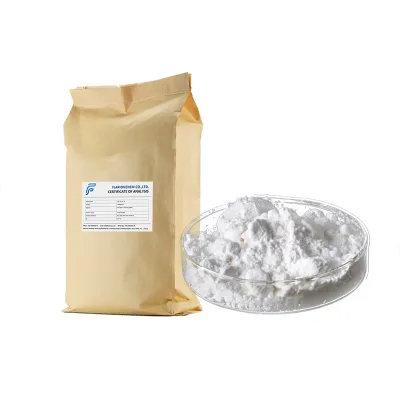


Comprehensive Sourcing Guide
Halal Kosher Acetylpyrazine Sourcing Guide
Acetylpyrazine is a critical flavoring agent widely utilized in the food industry to impart distinct roasted, buttery, and popcorn-like notes to various consumer products. Procurement teams must recognize that while the chemical structure is consistent, the sourcing landscape varies significantly based on whether the ingredient is derived from natural sources or synthesized chemically. Buyers often encounter listings that specify "popcorn flavor" or reference specific FEMA numbers, such as 3149, which serve as key identifiers for regulatory compliance and flavor profiling. Understanding these distinctions is essential for aligning procurement with final product labeling requirements and consumer expectations.
The market for this ingredient is characterized by a diverse range of suppliers, primarily originating from major chemical manufacturing hubs like China. Listings frequently indicate that customization is available, allowing buyers to tailor specifications such as purity levels, packaging formats, and active ingredient concentrations to their specific manufacturing needs. However, the presence of customization options does not guarantee uniformity across all suppliers. Procurement specialists must carefully evaluate each supplier’s capability to deliver consistent quality, particularly when dealing with high-volume orders that require strict adherence to predefined sensory profiles and chemical purity standards.
Product Scope and Observed Listing Signals
Current market observations reveal a wide spectrum of product attributes associated with acetylpyrazine and related flavor compounds. Buyers may encounter products described as colorless or slightly yellow crystals, with some listings explicitly noting a popcorn flavor profile. These physical characteristics are often paired with specific model numbers, such as FI-1706, which help in tracking batch consistency and supplier-specific nomenclature. Additionally, shelf life indicators typically exceed twelve months when stored under normal conditions, providing a stable inventory window for manufacturers. These signals help buyers quickly filter listings that match their technical requirements for appearance and stability.
Another significant segment of the market involves natural extracts, such as licorice extract, which may be cross-listed or confused with synthetic flavorings due to overlapping application forms. These natural products often come in powder form, with appearances ranging from yellow-brown fine powders, and are derived from specific plant parts like roots. Specifications for these extracts may include active ingredient percentages, such as glycyrrhizic acid content, and various packaging options including aluminum foil bags and drums. Buyers must distinguish between pure flavoring agents like acetylpyrazine and complex botanical extracts to ensure they are sourcing the correct functional ingredient for their formulation.
Technical Specifications to Verify
Verifying the chemical identity and purity of acetylpyrazine is paramount for ensuring product consistency and regulatory compliance. Buyers should request detailed Certificates of Analysis that confirm the assay method, typically utilizing UV or HPLC techniques, to validate the concentration of the active ingredient. Specifications often cite purity levels exceeding ninety-nine percent, but this must be cross-referenced with the specific grade required for the application, whether it is food grade or intended for health care products. Confirming the exact chemical structure and absence of unwanted isomers or impurities is a critical step in the qualification process.
Packaging and storage specifications also play a vital role in maintaining the integrity of the ingredient during transit and storage. Common packaging formats include twenty-five-kilogram drums, often constructed from metal or paper with internal plastic bag liners to prevent moisture ingress and contamination. Buyers must verify that the packaging material is compatible with the chemical nature of acetylpyrazine to prevent degradation or interaction. Additionally, confirming the storage method, which is generally listed as normal, ensures that the product remains stable throughout its shelf life, which can extend beyond two years for certain formulations.
Compliance and Safety Documentation
Navigating the complex landscape of certifications is essential for sourcing halal and kosher compliant acetylpyrazine. Buyers must verify that suppliers hold relevant certifications such as HACCP, ISO, and potentially FDA approval, depending on the target market. For religious compliance, specific halal and kosher certificates are required, and buyers should ensure these are issued by recognized authorities. The presence of multiple certifications, such as HSE, USP, BP, and SGS, indicates a robust quality management system, but each certificate must be valid and applicable to the specific product batch being procured.
Documentation must also align with the intended application of the ingredient, whether it is for direct food use, medicine, or health care products. For instance, products intended for capsule or tablet formulation may require additional purity and safety data compared to those used in direct food flavoring. Buyers should request full disclosure of all certifications, including Halal and Kosher status, and verify that the supplier’s quality standards, such as ISO 9001, are actively maintained. This due diligence minimizes the risk of regulatory non-compliance and ensures that the ingredient meets all legal and ethical sourcing requirements.
Cost Drivers and Commercial Terms
The cost of acetylpyrazine is influenced by several factors, including the method of production, whether through chemosynthesis or natural extraction, and the level of customization required. Natural extracts, such as those derived from licorice, may carry different cost structures compared to synthetic flavorings due to the variability in raw material availability and extraction efficiency. Buyers should anticipate a wide range of prices, often observed between one and one hundred USD per unit, depending on the quantity and specific grade. Understanding these cost drivers helps in budgeting and negotiating favorable terms with suppliers.
Minimum Order Quantities (MOQs) and lead times are critical commercial terms that impact supply chain planning. Observed MOQs can range from one to one thousand units, offering flexibility for both small-scale trials and large-scale production runs. Buyers must clarify lead times with suppliers to ensure timely delivery, especially when dealing with customized specifications or specific packaging requirements. Negotiating clear terms regarding payment, shipping, and liability for damaged goods is essential to mitigate risks associated with international procurement and ensure a smooth transaction process.
Supplier Qualification and Quality Control
Evaluating supplier qualifications is a crucial step in mitigating supply chain risks. Buyers should assess the supplier’s production capabilities, including their use of advanced extraction or synthesis technologies, and their ability to maintain consistent quality across batches. Suppliers with a history of providing high-purity products, such as those with purity levels exceeding ninety percent, are generally more reliable. Additionally, verifying the supplier’s origin, often listed as China or specific provinces like Shandong, can provide insights into their logistical capabilities and regulatory environment.
Quality control measures should be rigorously evaluated, including the supplier’s internal testing protocols and their willingness to provide third-party test results. Buyers should request samples for independent verification of key attributes, such as appearance, flavor, and active ingredient content. Establishing a clear communication channel for addressing quality issues and defining acceptance criteria for incoming goods is essential. Regular audits and performance reviews of suppliers help ensure that they continue to meet the required standards and deliver products that align with the buyer’s quality expectations.
Long-Term Procurement Checks
Establishing long-term procurement strategies requires ongoing monitoring of supplier performance and market trends. Buyers should regularly review supplier certifications to ensure they remain valid and up-to-date, particularly for critical compliance documents like Halal and Kosher certificates. Tracking changes in regulatory requirements and industry standards is also essential to ensure continued compliance. Building strong relationships with reliable suppliers can lead to better pricing, priority service, and access to new product developments, enhancing the overall competitiveness of the buyer’s supply chain.
Continuous improvement in quality control processes is necessary to adapt to evolving market demands and consumer preferences. Buyers should implement feedback loops from their production teams to identify any issues related to ingredient performance or consistency. Regularly updating specifications and requirements based on these insights helps maintain product quality and customer satisfaction. By staying proactive in supplier management and quality assurance, buyers can secure a stable supply of high-quality acetylpyrazine and related ingredients, supporting their long-term business goals.
FAQs
What certifications are available for halal kosher acetylpyrazine?
Available certifications include HACCP, ISO, FDA, Halal, and Kosher. These ensure the product meets international safety and quality standards for food and pharmaceutical applications. Buyers can verify specific certificates during the sourcing process to confirm compliance with regional regulations.
How is the product typically packaged for shipment?
The product is commonly packed in 25kg drums or paper drums with two plastic bags inside. Some listings also mention aluminum foil bags and cartons. This packaging ensures stability during transport and maintains the integrity of the crystal or powder form.
Can the product be customized for specific applications?
Customization is available for certain product models and specifications. Buyers can request tailored forms such as capsules, tablets, or powders depending on their needs. However, some standard items may be non-customized, so confirming availability with the supplier is essential.
What is the shelf life of the acetylpyrazine product?
The shelf life is typically greater than 12 months or up to 2 years depending on the specific extract type. Proper storage in normal conditions is required to maintain quality. Buyers should check the specific product data sheet for exact duration and storage recommendations.
Which active ingredients are present in the licorice extract?
The active ingredient is Glycyrrhizic Acid, derived from the root of Glycyrrhiza Uralensis. This extract is used to relieve coughs and enhance immunity. The content of active substances can exceed 90% in high-purity grades, ensuring effective therapeutic or functional benefits.
What is the purity level of the L-Cystine product?
The purity level is greater than 99% for the L-Cystine product. It is suitable for elderly, children, and adults as a nutrient source. This high purity ensures safety and efficacy when used in health care products, medicines, or food supplements.
Where is the product origin located for these items?
The product origin is primarily China, with specific sourcing from Shandong province. This location indicates the manufacturing base for the listed chemical and extract products. Buyers should verify the exact origin for each order to ensure compliance with import regulations.